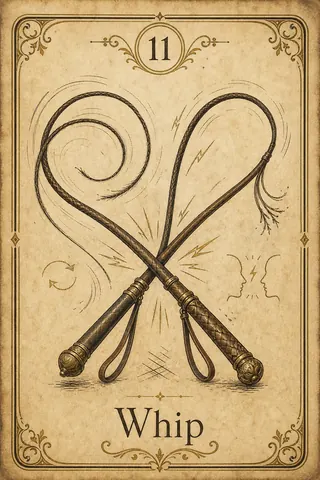
Whip Lenormand card illustration

Card 11 · conflict & argument

WhipLenormand meaning

In Lenormand, the Whip card usually means: Repetition, debate, friction, and restless energy.

Polarity
Negative
Yes / No
mixed
Playing card
♣ J of Clubs

Quick meaning

Whip in Lenormand usually means repetition, debate, friction, and restless energy. It is a negative card with a general mixed leaning in yes/no readings, and it often points to conflict, argument, repetition, pressure.

  • conflict
  • argument
  • repetition
  • pressure
  • physical intensity

Reading meanings

Love

In love, Whip can show frequent fights, criticism, a painful push-pull dynamic, or intense physical attraction that does not necessarily bring emotional peace.

Career

In career readings, Whip points to high-pressure work, repetitive tasks, debate, competition, disciplinary issues, or physically demanding labor.

Money

For money, Whip suggests repeated expenses, arguments over finances, pressure to pay, or income from fitness, labor, law, or conflict-heavy work.

Health

For health, Whip can indicate inflammation, muscle strain, repeated stress patterns, overtraining, or issues caused by pressure and tension.

Core meaning

Whip shows repeated friction. It can describe arguments, blame, punishment, discipline, repetitive labor, physical exertion, sports, or intense sexual chemistry. The core pattern is repetition under pressure: the same argument, the same task, the same stress cycle. Whip can be productive when it shows training or disciplined effort, but emotionally it often points to conflict that exhausts everyone involved.

Whip in love readings

How they feel

Whip in a feelings question shows intense, restless feelings: attraction mixed with frustration, arguments, or passion that does not settle. Someone may be thinking about you over and over, or feel torn. With Heart it can be strong physical attraction; with Cross or Mice it can be guilt or a painful loop.

If you are single

For someone who is single, Whip points to a pattern you keep repeating, such as being drawn to the same kind of person or ending up in the same argument. It can also describe chemistry and playful sparring. Breaking the loop is what makes room for a different kind of relationship.

Together or reconnecting

In a relationship, Whip shows debate, repeated arguments and tension, but also physical passion. In a reconciliation question it describes an on-again, off-again cycle; whether returning is healthy depends on what follows. Whip with Ring is a loop that keeps repeating, while Whip with Key or Letter can become the discussion that finally settles something.

Is Whip yes or no?

Whip is mixed: the matter involves repetition, effort or debate. It can mean "yes, after some back-and-forth" or "no, not without friction". For questions about training, practice or repeated attempts, it is a yes through persistence.

Timing: Whip is a medium-paced card. When it answers a timing question, expect roughly 2–6 weeks, counted from when the condition it points to is actually in place.

Traditional playing card correspondence

Correspondence

♣ Whip carries the traditional Lenormand insert of Jack of Clubs.

Suit layer

Action, responsibility, work, challenges, and karmic pressure. Clubs often ask for effort, courage, and active engagement with the issue.

Rank layer

A young person, child, messenger, new idea, or emerging influence.

Symbolism

  • The whip shows striking, pressure, discipline, and the repeated impact of conflict.
  • Its motion suggests cycles that continue until someone changes the pattern.

As a person

As a person, Whip is argumentative, athletic, disciplined, critical, intense, or stuck in repetitive conflict.

Helpful expressions

  • Discipline
  • Training
  • Direct confrontation
  • Physical drive

Potential challenges

  • Arguments
  • Punishment
  • Repetition
  • Toxic intensity

Practice this card

See how Whip behaves inside a real reading

Use Whip as your anchor card, then compare it with nearby cards inside a full spread or jump to one of the related combinations below.

Example reading with Whip

“Will we stop arguing about money?”

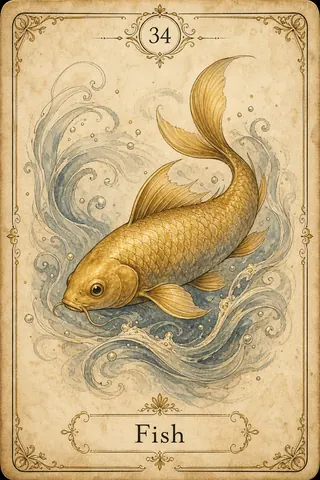
  1. Fish Lenormand card illustration Fish
  2. Whip Lenormand card illustration Whip
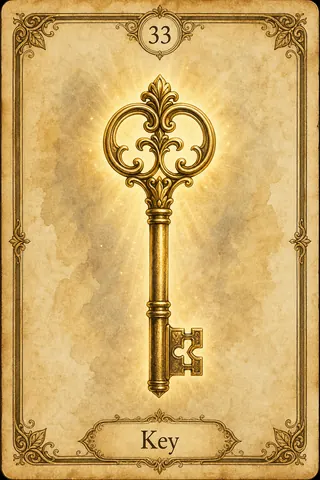
  3. Key Lenormand card illustration Key

Fish shows that money is the topic. Whip in the center shows the repeated argument and confirms it will come up again. Key at the end is the solution: the arguing stops once you find the specific arrangement that works. The answer is yes, through one decisive conversation about a concrete system, such as separate budgets or an agreed spending limit.

A common misreading

Reading Whip only as conflict. Whip is also exercise, practice, passion and repeated effort, and it is a good card for training, sport or building a skill.

Further reading notes

Timing

Repeated timing: again and again, recurring cycles, or after multiple attempts.

Nearby cards

Whip intensifies and repeats nearby cards. It can turn themes into arguments, habits, training routines, or pressure cycles.

Modern meanings

Modern Whip meanings include comment wars, workplace disputes, gym training, repeated tickets, disciplinary reviews, and toxic message loops.

All 35 Whip combinations

Questions for study

Frequently asked questions

What does Whip mean in Lenormand?

Whip usually means repetition, debate, friction, and restless energy. In readings, it often points to conflict, argument, repetition, pressure.

What does Whip mean in love and career readings?

In love, Whip can show frequent fights, criticism, a painful push-pull dynamic, or intense physical attraction that does not necessarily bring emotional peace. In career readings, Whip points to high-pressure work, repetitive tasks, debate, competition, disciplinary issues, or physically demanding labor.

Is Whip a yes or no card?

Whip usually leans mixed in yes/no readings. The final answer still depends on the question, spread position, and nearby cards.

How do nearby cards change Whip?

Whip intensifies and repeats nearby cards. It can turn themes into arguments, habits, training routines, or pressure cycles.