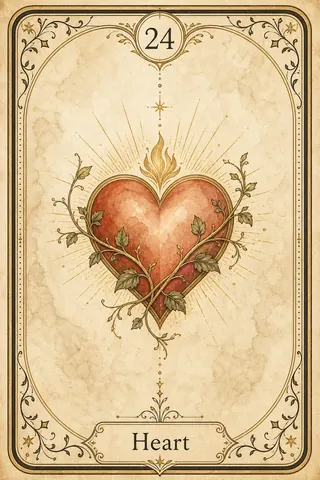
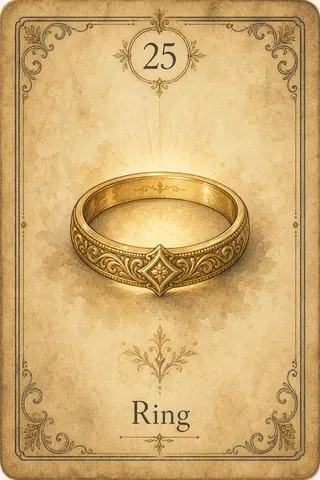
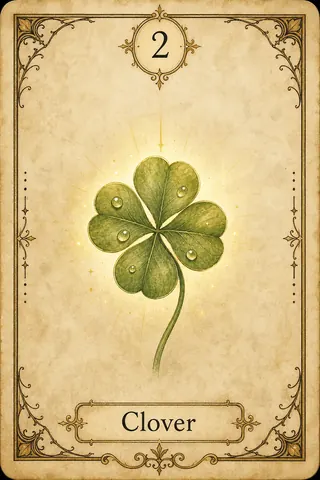
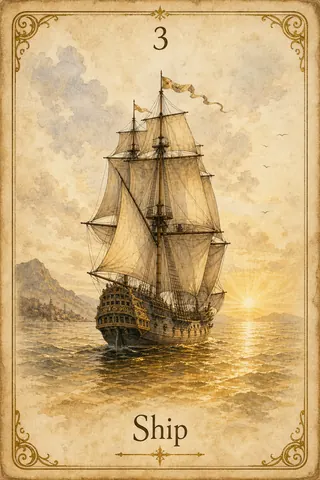
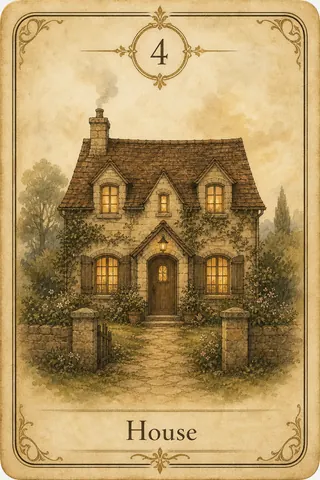
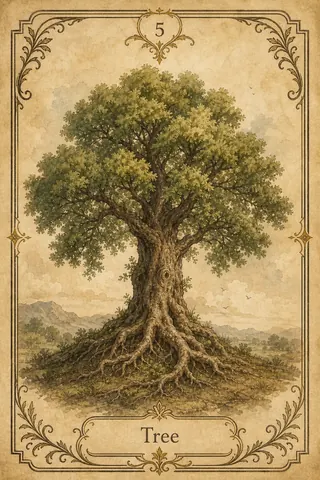
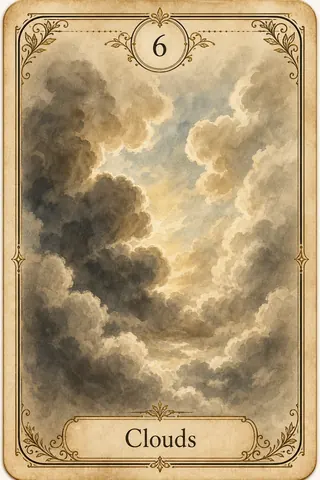
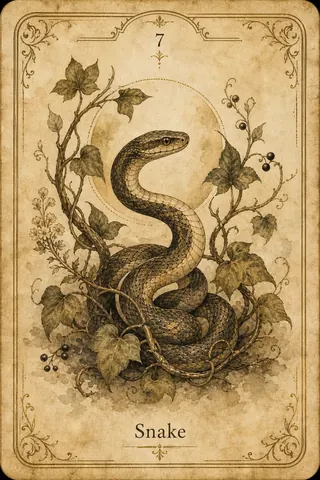
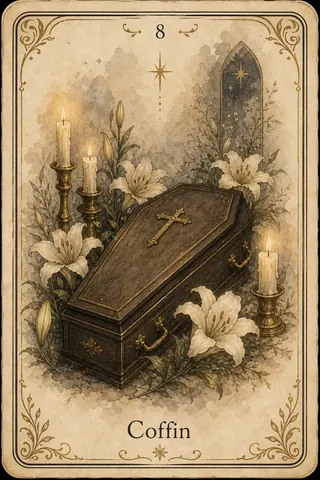

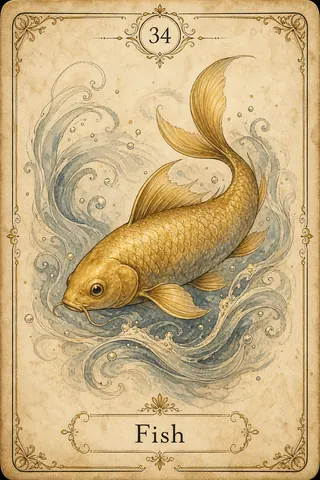
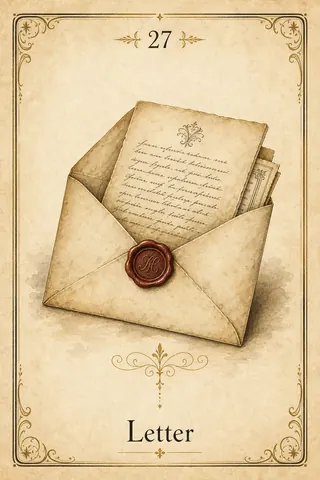
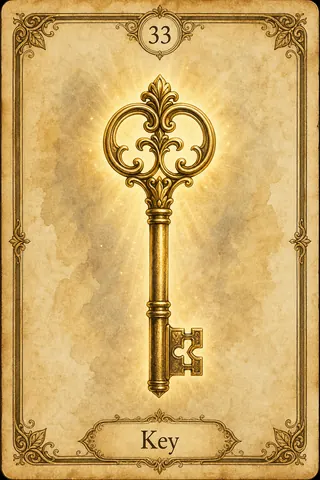
Start with card meanings
Begin with the literal symbol, the short keywords, and the playing-card insert. Then test the meaning in a simple line of cards instead of trying to memorize every interpretation at once.
Free Lenormand · No sign-up
Ask one real question. Draw three cards.
Read a practical answer.
No sign-up. No email. Just the cards.
Focus on one practical question to get clear guidance.
We draw three cards from the Lenormand deck.
Receive a concise, practical message you can use.
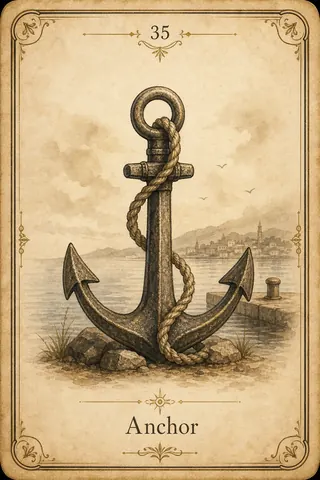
36
Clear, practical meanings for every card.
630
Look up every two-card pair.
4
Timeless layouts for love, work, and life.
Learn the meanings, explore combinations, and practice with classic spreads. Everything is designed for clarity, context, and practical boundaries.
Start learning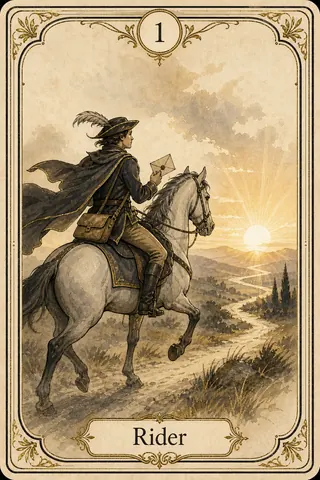
Understand each card with clear, practical meanings and keywords.
Explore 36 card meanings →Learn how cards influence each other in pairs and trios.
Explore card combinations →Use proven spreads for practical guidance in everyday life.
Explore classic spreads →Past, present, and future. A simple and powerful snapshot.
Gain deeper context with more detail and nuance in your reading.
A balanced view of the situation, challenges, and guidance.
The full picture. Best for in-depth insight into complex questions.
Guided learning
Choose a clear question, use the right spread, and read each card as part of one connected message. These short paths keep study practical while linking to the depth behind every answer, helping you learn from real outcomes without forcing a fixed prediction.
Explore all Lenormand guidesBegin with the literal symbol, the short keywords, and the playing-card insert. Then test the meaning in a simple line of cards instead of trying to memorize every interpretation at once.
A Lenormand line becomes specific when cards influence one another. Start with two-card phrases, then use the question and spread position to decide whether the message concerns love, work, money, timing, or advice.
Use a daily draw, a timing question, or a yes/no check as a short practice—not as a fixed prediction. Repeating one clear process helps you notice how tone changes when the same card appears beside different cards.
Keep the question practical: what is happening, what is influencing it, and what step is useful now? The same card can speak differently in relationship, career, or money readings, so context always comes before a fixed keyword.
A clear online Lenormand reading starts with one practical question. Instead of asking for every possible outcome, name the situation, the decision, or the next step you want to understand. That boundary gives each card a job and keeps the answer connected to real life.
For a three-card reading, notice the order before you reach for a long list of meanings. The first card can establish the subject, the middle card can explain the condition or pressure around it, and the final card can show where the line is moving. The cards form a sentence, so their relationship matters as much as any single keyword.
For a five-card reading, use the extra positions to slow down and compare influences. Look for repeated themes, cards that soften or complicate one another, and symbols that answer the exact question you asked. A difficult card does not automatically predict failure; it can point to a delay, a boundary, or a practical detail that needs attention.
Keep a short note after each reading: the question, the cards, the phrase you drew from them, and what happened next. That practice makes meanings more concrete over time and helps you distinguish a useful pattern from a vague guess. When you need more depth, follow the links below to card meanings, combinations, spreads, and topic-specific guides.
Use the card images as a prompt, not as a substitute for context. A Rider can be a visitor, a message, a delivery, or a quick change depending on the cards around it. A Heart can describe affection, a personal value, or what matters emotionally. By naming the subject first and then reading the sequence, you make the answer specific enough to be useful without forcing certainty.
If the line feels mixed, check the details before drawing a conclusion. Check the literal symbols, the tone of the neighboring cards, and the position they occupy in the spread. Then compare the message with what is already happening in the situation. That grounded process is especially useful for online readings, where a concise written note can help you return to the cards with fresh perspective later.
Rooted in tradition. Explained with clarity. Learn how we approach Lenormand with respect and practicality.
Read our methodologySee real readings and learn how combinations create clear, practical answers.
View examplesLenormand is a traditional 36-card divination system used for practical guidance and decision-making about everyday situations, relationships, timing, obstacles, and next steps. It is known for clarity and concise, actionable answers.
No. Lenormand cards are usually read as a concrete phrase or sequence about what is happening and what is likely to happen next, while Tarot often works through broader archetypes and themes.
The three-card spread is the best place to start because it teaches sequence, context, and connected meanings without overwhelming detail.
Start with each card’s core meaning, then combine them into a short practical phrase. Nearby cards, the question, and the spread position show which meaning matters most.
Yes. You can draw cards without an account, then continue into detailed meanings, combinations, and spreads. Dedicated three-card and five-card readings are also available for practice.
Yes. You can draw Lenormand cards online without owning a physical deck, then study the card meanings, combinations, and spread positions on the site.
Lenormand cards online means drawing or browsing cards digitally. An online Lenormand reading adds spread positions, card combinations, and a practical interpretation for your question.
Treat a reading as a practical reflection tool. Clear questions, context, and a grounded next step matter more than certainty.
One question. Three cards. Practical guidance you can trust.