Start with the core meaning
Read the literal symbol and a few practical keywords before adding a wider interpretation.
Card meanings · 36 symbols
Browse every card as a clear symbol, then use its keywords, playing-card insert, and reading contexts to turn a line of cards into one practical message.
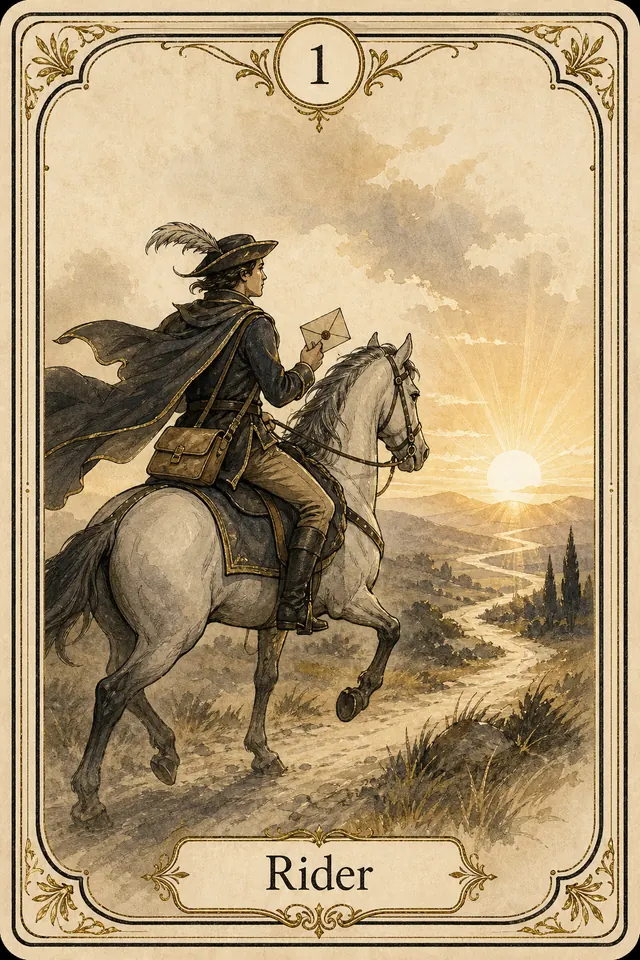
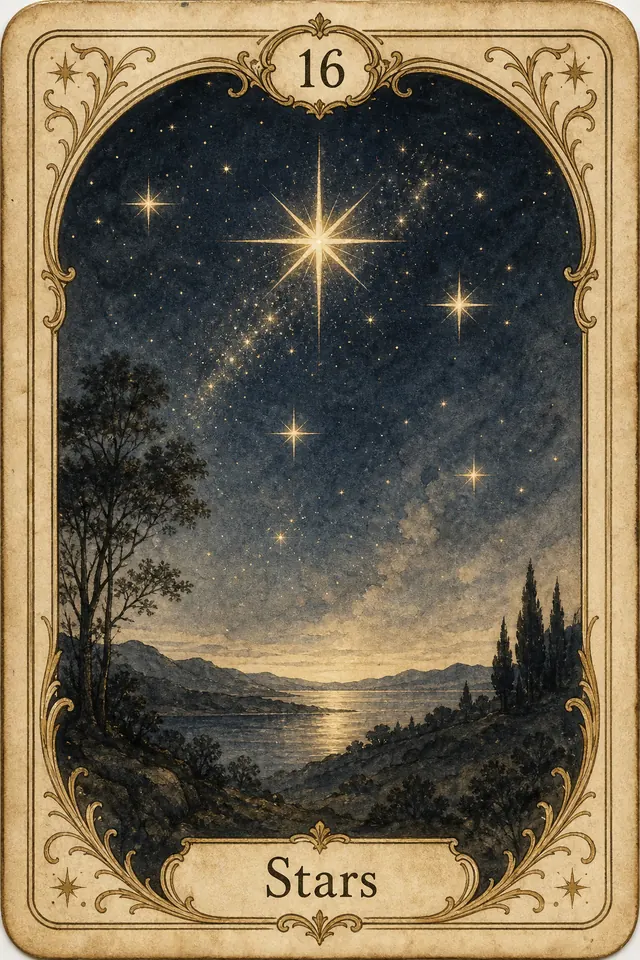
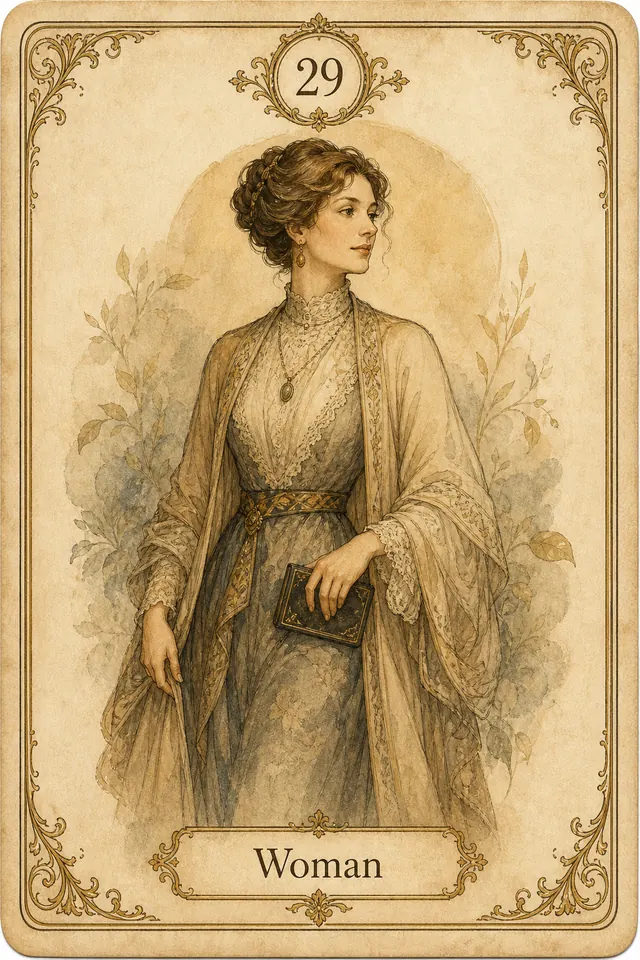
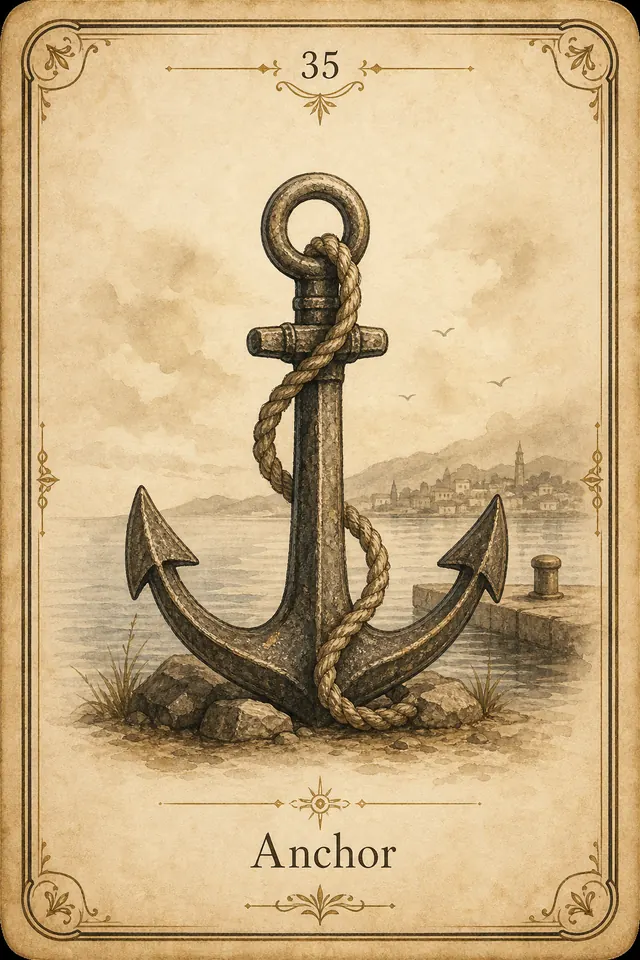
Browse by symbol or reading lens. A card can belong to more than one; tone is a starting point, not a fixed prediction.
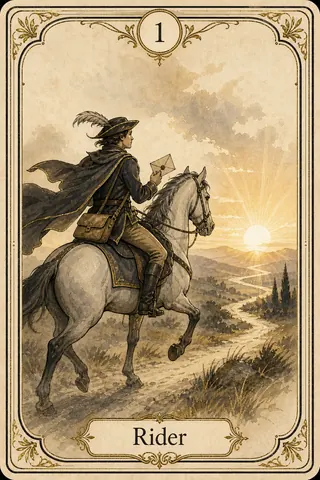
Fast-moving news, visitors, and events that set things in motion.
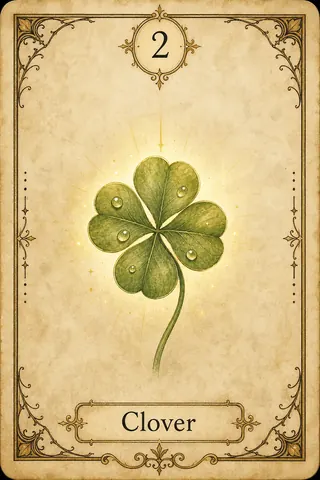
Small luck, brief openings, and cheerful relief.
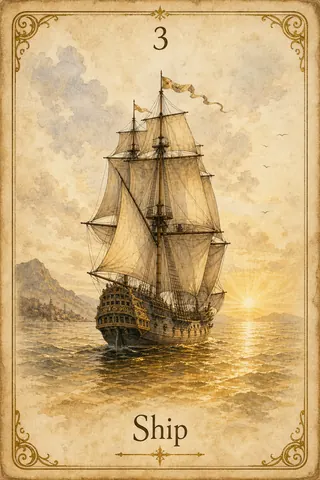
Movement, journeys, and reaching beyond familiar ground.
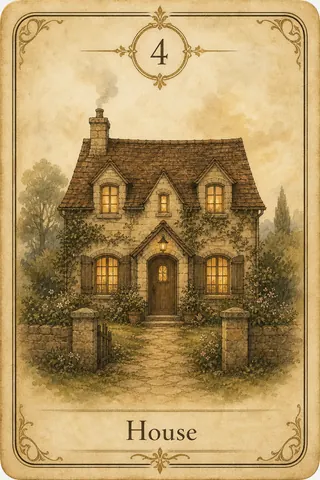
Home life, foundations, routines, and belonging.
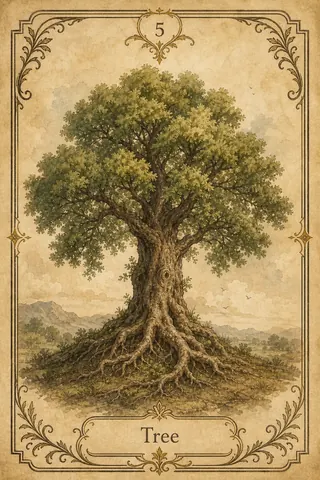
Slow growth, long-term strength, and what matures over time.
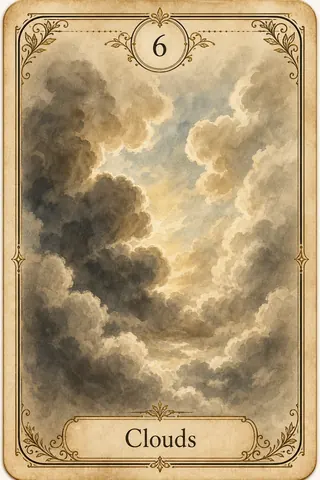
Confusion, misunderstandings, mixed signals, and temporary lack of clarity.
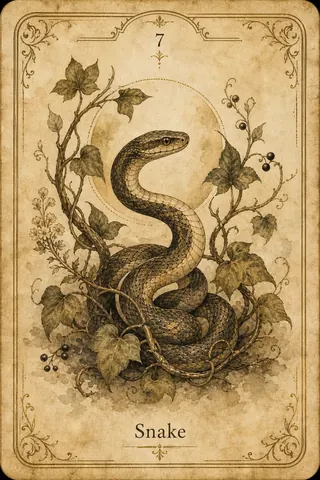
Complication, strategy, temptation, or a winding route.
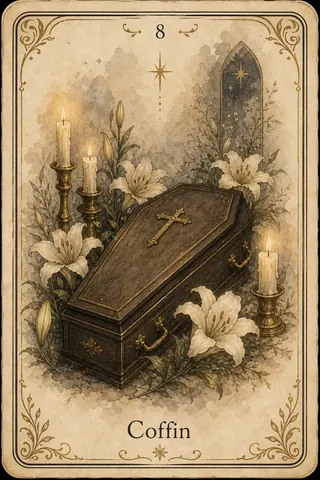
Endings, release, stillness, and what must be completed.
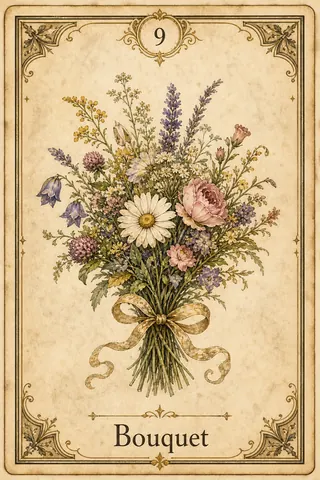
Pleasure, appreciation, kindness, and favorable attention.
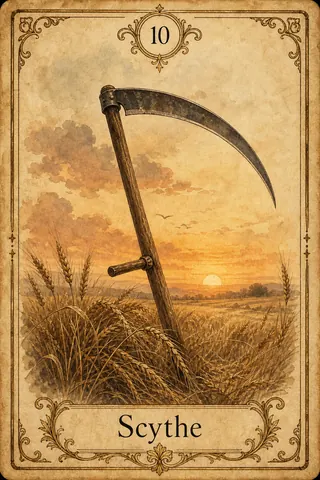
Sharp action, sudden endings, and necessary separation.
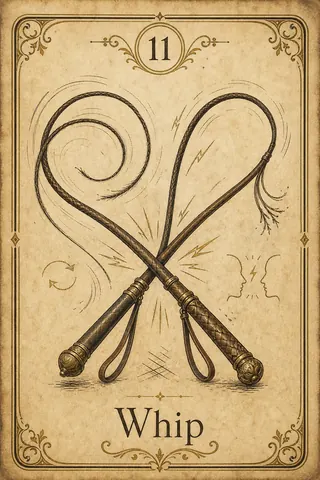
Repetition, debate, friction, and restless energy.
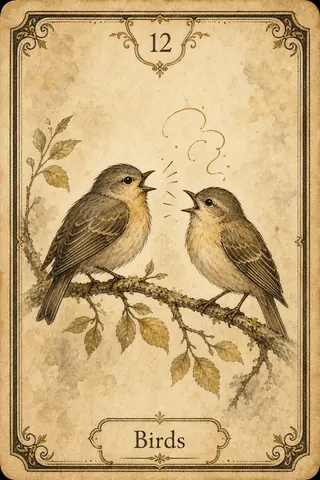
Talk, anxiety, and quick conversations moving between two people or a busy group.
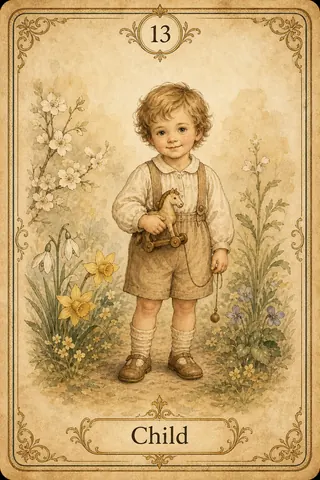
A fresh start, innocence, and a small situation still taking shape.
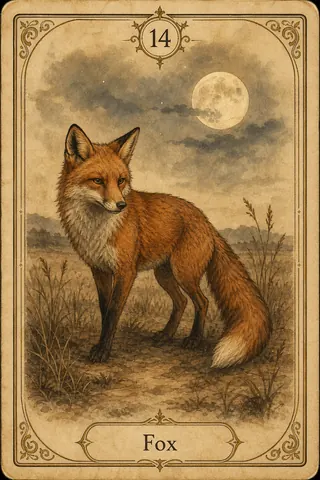
Practical intelligence, work matters, and strategic caution in a real situation.
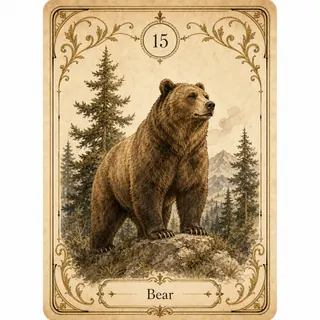
Authority, strength, protection, and resource management.
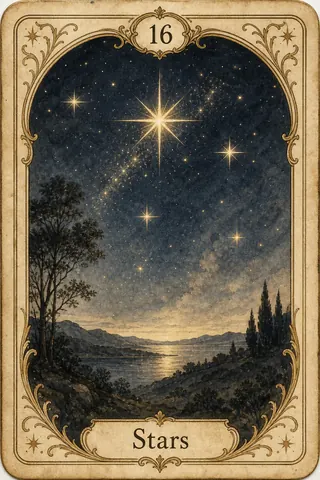
Hope, clarity, inspiration, and alignment with a bigger direction.
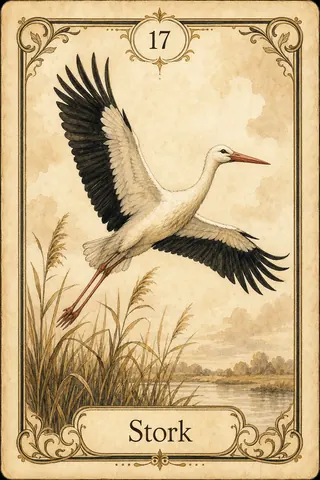
Improvement, transition, and meaningful progress.
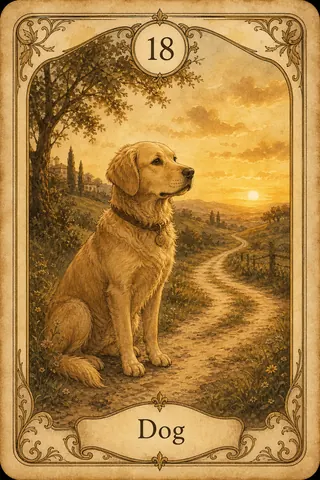
Loyal support, friendship, and dependable allies.
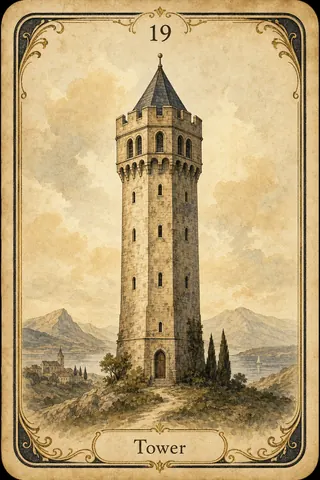
Formal structures, healthy distance, and private space.
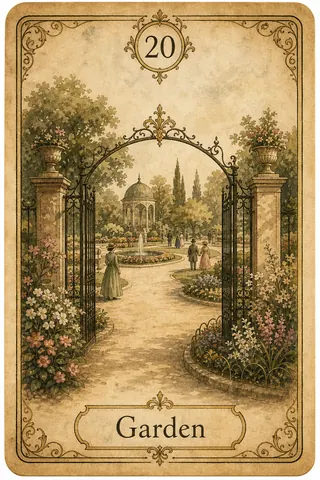
Social visibility, community, and shared spaces.
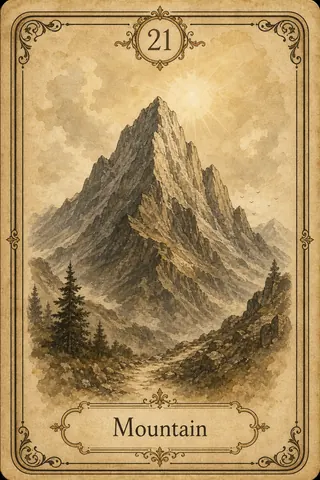
Obstacles, delays, and tests of endurance.
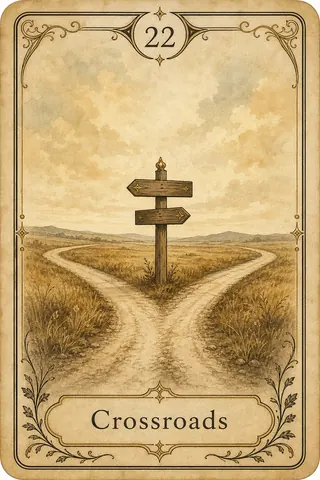
Decisions, parallel paths, and branching possibilities.
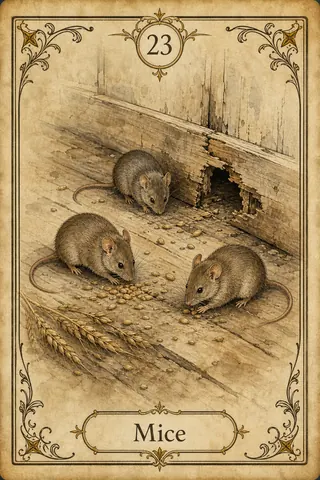
Stress, depletion, and what is quietly being worn down.
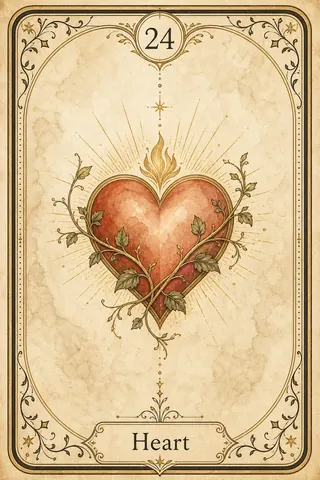
Affection, heartfelt focus, and emotional truth.
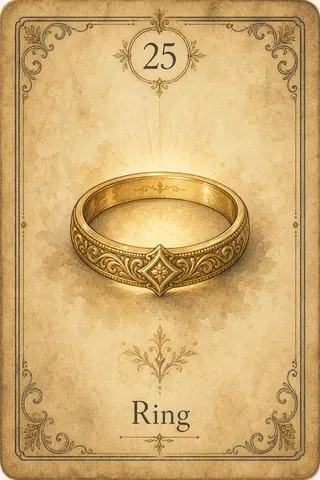
Promises, agreements, contracts, and repeating patterns.
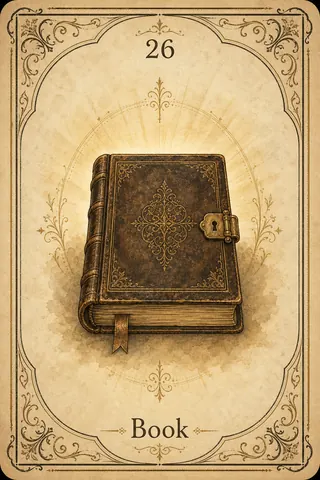
Private knowledge, learning, and what is not yet revealed.
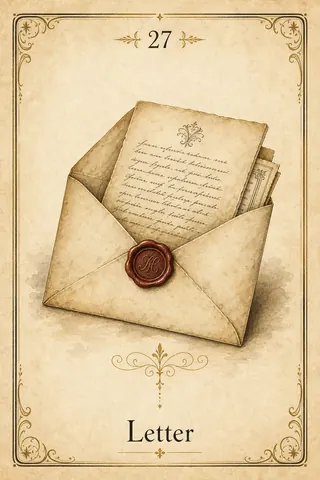
Written communication, records, and official information.
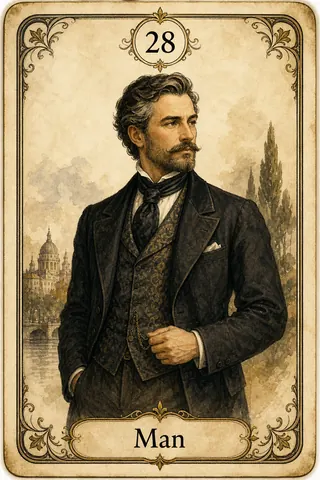
A male significator, important man, or masculine role at the center of the reading.
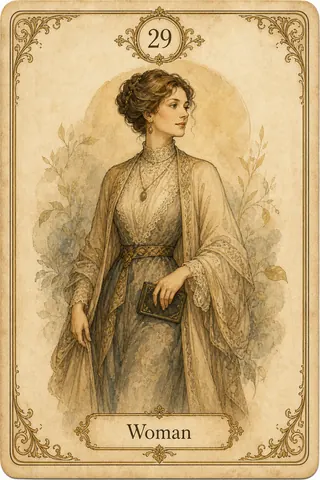
A female significator, important woman, or intuitive relational role at the center of the reading.
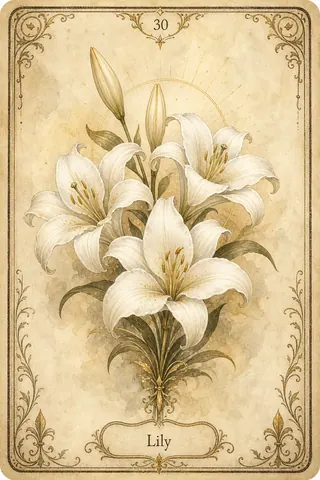
Calm authority, maturity, and refined values.
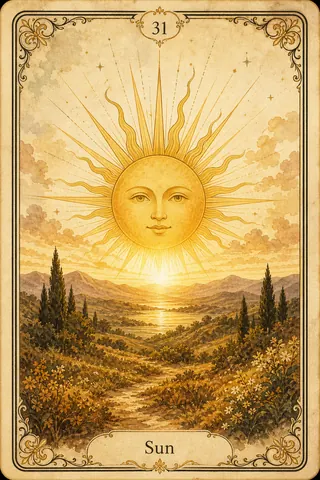
Success, vitality, and clear positive momentum.
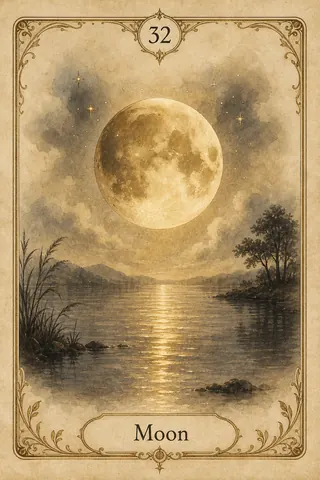
Emotional depth, intuition, and public acknowledgment.
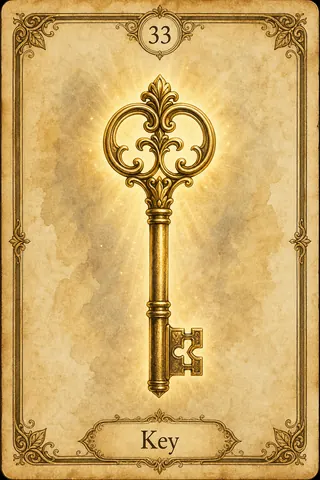
Certainty, significance, and the right answer opening up.
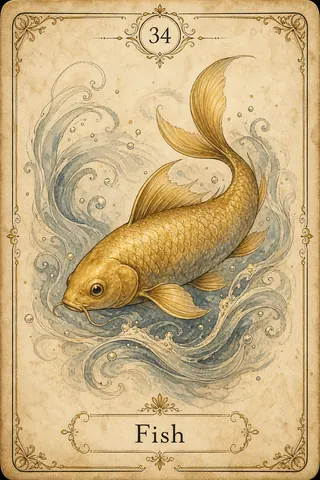
Resources, flow, trade, and financial movement.
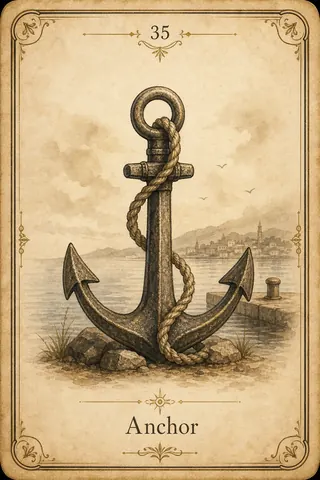
Security, consistency, and staying power.
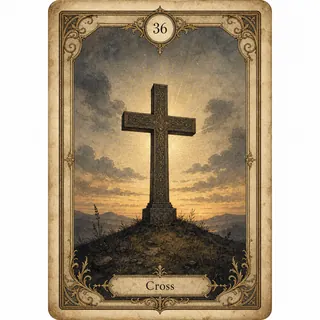
Heavy lessons, shared burdens, and spiritually significant tests.
A system of symbol and story
A traditional Lenormand deck has 36 cards. Each Lenormand card meaning starts with a core symbol, practical keywords, and context for love, career, money, timing, yes/no clues, and nearby combinations.
Continue your study
A practical study method
A traditional Lenormand deck has 36 cards. Each Lenormand card meaning starts with a core symbol, practical keywords, and context for love, career, money, timing, yes/no clues, and nearby combinations.
Read the complete card meanings guideRead the literal symbol and a few practical keywords before adding a wider interpretation.
Love, career, money, health, timing, yes/no, and spread position decide which meaning is useful.
Nearby cards turn individual symbols into a short, direct phrase about the question.
Study card combinationsUse a simple line to learn sequence, context, and a clear next step without over-reading.
Try a free 3-card readingQuestions for study
A traditional Lenormand deck has 36 cards. Each card has a number, name, image, playing card insert, keywords, and practical meanings for everyday questions.
Start with the short meaning and keywords for each card, then practice using the card in simple three-card lines. Avoid memorizing long scripts before you can recognize the card's core function.
No. Lenormand is usually more direct, literal, and combination-based than Tarot. A card often acts like a noun, verb, or adjective inside a practical sentence.
Most traditional Lenormand readers do not use reversals. Instead, tone and difficulty come from the card's polarity, nearby cards, spread position, and the question being asked.
After learning the individual cards, move into two-card combinations, three-card lines, and simple spreads. That is where Lenormand readings become specific and useful.